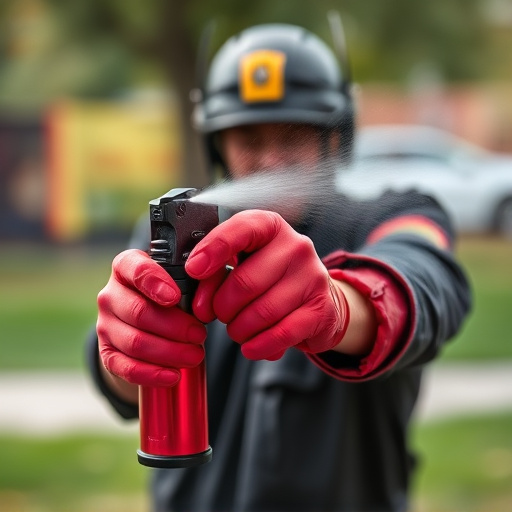
Riot control agents like pepper spray require a balanced approach for law enforcement and public safety. First Aid Supplies for Pepper Spray are crucial for treating symptoms like coughing, breathing difficulties, and temporary blindness. Regulations govern their use and storage while officer training ensures safe deployment. Prompt and effective first aid during exposure reduces discomfort and potential long-term damage.
Riot control agents, particularly pepper spray, are powerful tools used by law enforcement to manage chaotic situations. With the right legal framework and ethical considerations, these agents can ensure officer safety while maintaining public order. This article delves into the world of riot control agents, exploring types, effects, and their role in modern policing. We also discuss the legal regulations, first aid supplies for pepper spray, community relations best practices, and emergency response strategies for mass exposure.
- Understanding Riot Control Agents: Types and Effects
- Legal Framework: Regulations Governing Pepper Spray Use
- Officer Safety: Training and First Aid for Pepper Spray
- Community Relations: Ethical Considerations & Best Practices
- Emergency Response: Treating Pepper Spray Exposure in Crowds
Understanding Riot Control Agents: Types and Effects
Riot control agents, also known as pepper spray, are chemicals designed to temporarily disable or disrupt individuals during law enforcement operations or civil unrest. These agents work by causing irritation and pain, specifically targeting the eyes, nose, and respiratory system. Understanding the types and effects of these substances is crucial for both law enforcement agencies and citizens prepared for emergency situations.
There are various types of riot control agents, each with distinct formulations and levels of potency. Common ingredients include capsaicin, oleoresin capsicum, and chloroacetic acid derivatives. Pepper spray, a popular choice, delivers a powerful yet non-lethal impact. It’s important for individuals carrying first aid supplies to understand the potential effects, such as coughing, difficulty breathing, and temporary blindness, allowing them to provide prompt assistance should the need arise.
Legal Framework: Regulations Governing Pepper Spray Use
The legal framework surrounding riot control agent use, particularly pepper spray, is meticulously crafted to balance public safety with responsible law enforcement practices. These regulations vary by jurisdiction but generally govern the types of situations where pepper spray can be deployed, who can administer it, and the training requirements for officers. For instance, many regions mandate that officers receive specific training in the proper use of pepper spray as a less-lethal force option.
Moreover, laws often dictate the storage, handling, and availability of first aid supplies tailored to address pepper spray exposure, such as eye wash stations or decontamination kits. Ensuring these resources are readily accessible during operations is crucial for mitigating risks associated with pepper spray use. This includes compliance with safety standards that guide the procurement and maintenance of First Aid Supplies for Pepper Spray, thereby promoting effective and safe riot control practices.
Officer Safety: Training and First Aid for Pepper Spray
Officer safety is paramount in law enforcement, and one of the most effective tools in their arsenal is pepper spray. Beyond proper usage training, officers must also be equipped with comprehensive first aid knowledge specific to pepper spray exposure. This includes understanding how to administer eye washes and irritant-neutralizing agents to affected individuals, as well as recognizing the signs of severe reactions that may require immediate medical attention.
Accessing adequate first aid supplies for pepper spray is crucial. This includes a wide range of items like protective goggles, face shields, and respirators to mitigate officers’ risk of inhalation or eye irritation. Well-stocked kits should also include bandages, antiseptics, and hydrocortisone creams to soothe skin irritations. Regularly updating and replacing these supplies ensures that officers are prepared for any situation involving the use of pepper spray.
Community Relations: Ethical Considerations & Best Practices
In managing public disorder and maintaining law and order, riot control agents like pepper spray have become an integral part of law enforcement strategies. However, their use comes with significant ethical considerations that require careful navigation to ensure community relations remain positive. Law enforcement agencies must prioritize de-escalation techniques and only resort to these agents as a last resort when non-lethal force proves ineffective.
Training is crucial in this context. Officers should be equipped with the knowledge and skills to make informed decisions, respect individual rights, and handle situations that might arise during protests or civil unrest. Additionally, having readily available First Aid Supplies for Pepper Spray on hand enables swift treatment of affected individuals, demonstrating a commitment to community welfare rather than punitive measures. Effective communication and transparency between law enforcement and the public are essential best practices that foster trust and mitigate potential conflicts.
Emergency Response: Treating Pepper Spray Exposure in Crowds
In high-pressure situations like riot control, quick and effective response is crucial. When law enforcement officers deploy pepper spray to disperse crowds, it’s essential to have immediate strategies in place for treating exposure. The first step is always to ensure the safety of individuals affected; this might involve quickly moving them away from the spray source to an area with clean air.
Emergency responders should be equipped with comprehensive First Aid supplies specifically tailored for pepper spray exposure. This includes eye washes, neutralizing agents like baking soda solutions, and soothing creams or gels. Prompt application of these can alleviate discomfort, reduce potential long-term eye damage, and aid in faster recovery. Training officers on the proper use of these supplies during chaotic situations is vital to ensure swift and effective treatment for those exposed to pepper spray.
Riot control agents, particularly pepper spray, are powerful tools that require careful regulation and responsible use. By understanding the types of agents, their effects, and adhering to legal frameworks like those governing pepper spray use, law enforcement can ensure officer safety while minimizing community impact. Ethical considerations and best practices in community relations are paramount to fostering trust. Additionally, having adequate First Aid supplies for pepper spray exposure in crowds is crucial for effective emergency response. Balancing these aspects can help maintain public safety and order during high-stress situations.